
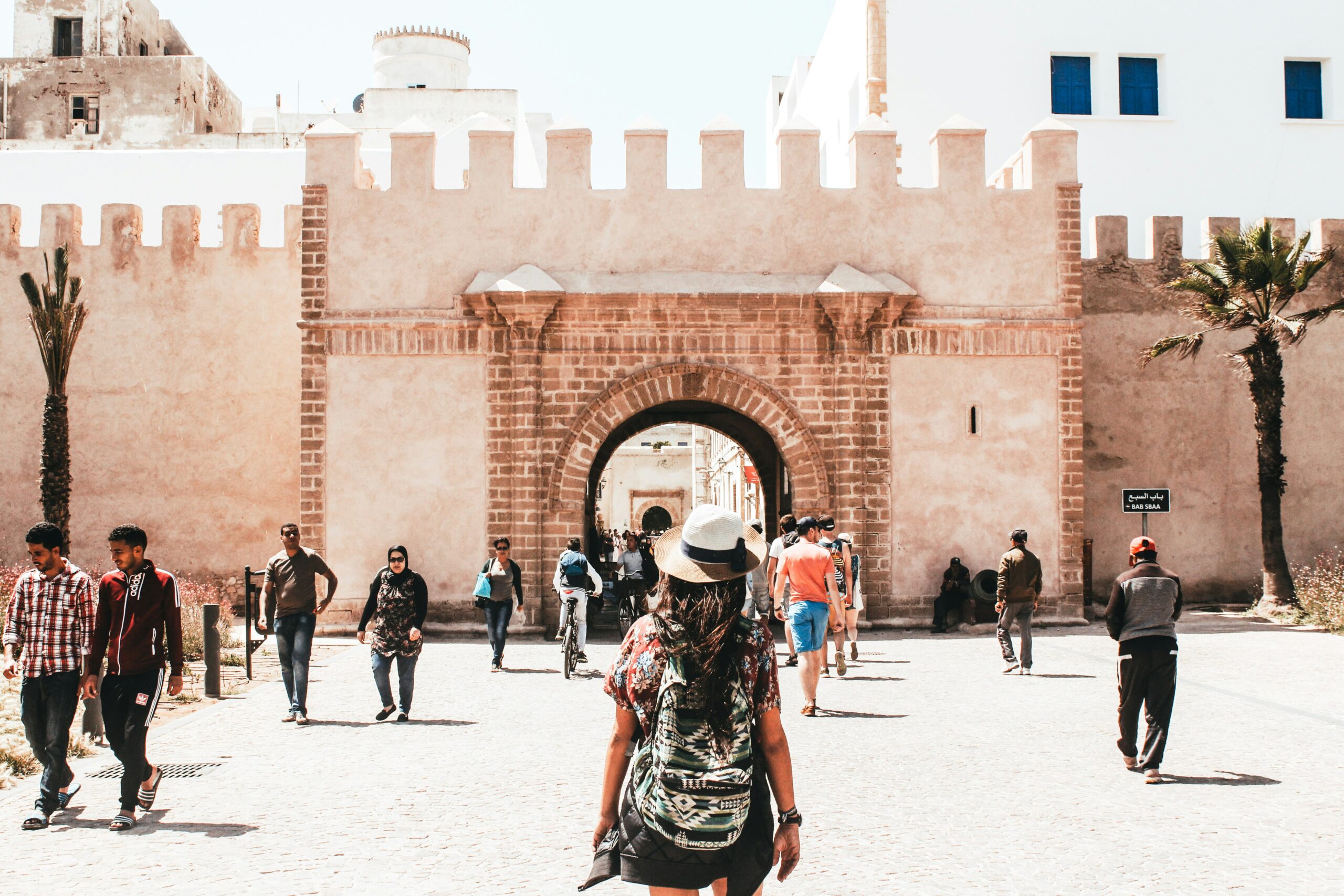
Several days ago, one of my students asked me what things I had learned from so much traveling. She and her two siblings always seem especially reserved in class, so when they were late being picked up after their martial arts lesson, I recognized an opportunity to connect with them. In a few minutes, I learned that their family moved to Texas from Ghana. When they heard that I had traveled extensively around the world, including Africa, they were even more eager to know what I thought about the places I’ve been.
In those moments, it felt like we discovered a unique connection—one that only comes from having both experienced what it’s like to step into a completely new culture. Getting the chance to explore different ways of life has changed me in so many ways, and I was grateful to be able to share some of the lessons and moments that have stuck with me from the people and places I’ve come across over the years.

No Foreign Lands
Robert Louis Stevenson is said to have remarked, “There are no foreign lands. It is the traveler only who is foreign.” I’ve never found a better way to describe the perspective shift that travel enacts. Everywhere I’ve ever been has seemed strange at first; sometimes this is exciting and charming, at others, it’s disruptive and jarring.
But when I look around, I see that the people, societies, and cultures I come across move through their daily lives with the same ease and rhythm as those in my own community. Any discomfort or sense of dissonance I feel in those moments must come from my own perspective being stretched to make room for something unfamiliar. Over time, though, I’ve felt those edges soften. My worldview isn’t as rigid as it once was, and I’ve become more comfortable with letting my thoughts shift and evolve as I gain new experiences.

Cross-Cultural Hospitality
When I travel, I hardly ever find myself in a place where it’s not painfully obvious that I’m not from there. I’m self-consciously aware that I not only stand out physically, but I also lack the language and contextual skills to accomplish even the most basic of tasks. In these cases, I lack the ability to do the things that a 5-year-old could do, like order food, ask for help or find the restroom. This sense of helplessness and vulnerability quickly puts a strain on the mind. That’s part of the reason it’s so meaningful when you experience cross-cultural hospitality.
This hospitality comes in many different varieties; sometimes it’s as generous as someone offering to prepare a meal for you, and sometimes it’s someone showing you a little extra patience or maybe even a friendly gesture as you slowly figure things out in an unfamiliar system. Having experienced both of these things and many more in between, I’ve started paying closer attention to how I respond to people in my own country—especially when I see someone who’s clearly struggling. I’ve been that person more times than I can count, and I know how much of a difference a small act of kindness can make. It’s amazing when you cross paths with someone who takes the time to help you—the traveler—find your way, inviting you to experience their home and share their space, even if just for a little while.

Kindness Speaks Clearly
I always try to learn a few greetings in the national language wherever I go, but other than that, my ability to communicate is often limited. However, kindness speaks clearly in every culture. When you maintain composure and courtesy, people almost always respond with compassion.
I’ve managed to order meals, shop for groceries and ask for directions, all without an extensive vocabulary to fall back on. What saved the day was the empathy of other humans who recognized that I was sincerely asking for help. When you meet these angels in disguise, you quickly realize that an inability to communicate via words is not a big issue. Two people, connected simply by kindness, can easily turn an ordeal into a meaningful and memorable encounter.
So no matter what challenges I face in my day-to-day life, I’ve come to see that leading with kindness brings everyone closer to a real solution. Kindness isn’t something that just happens—it’s a choice we have to make. And often, that means carving out space in your day to invest in someone else, even when it costs you time or energy.

Community vs. Convenience
Time is a highly prized commodity here in the U.S. Career-driven professionals pour so much of themselves into their work, and many of us take on side hustles just to keep up with the cost of living. Families are constantly on the move, juggling schedules and shuttling kids from one activity to the next. None of that is inherently bad—it’s a privilege to have so many opportunities to chase our dreams and build a future for the next generation. But sometimes, the sheer busyness of it all makes it harder to see what we might be missing. Busyness can make it challenging to nurture meaningful connections with others in our community.
With so little time left over, it’s really no surprise that another highly prized commodity is convenience. The option to conserve both time and energy is a nice luxury to have, but many cultures arrange their priorities in a slightly different order. When you travel, you get to see this alternative value hierarchy in action, and there’s a lot to learn from experiencing this firsthand.
Some examples I’ve seen include a collective approach to resources, where commodities are shared among the community, and neighbors care for one another like extended family. When you’re fortunate, you see glimpses of this here, but you see it as a way of life in other cultures. Time is concentrated in relationships and spending quality moments together. And because people enjoy each other’s company so much, it’s hard to plan around a schedule. When a moment is good, it lasts as long as it lasts.
That concept really baffled me when I first experienced it, but it also forced me to slow down and reevaluate the quality of what I accomplished in a day, rather than the quantity. I’m reminded now that time is so valuable, not because it’s limited, but because we are. And so are the opportunities we have to indulge in the things and people that truly matter.

Prejudice Is A Problem Everywhere
Here in the U.S., we have a long way to go when it comes to confronting prejudice. Even with all the important progress we’ve made in recent decades, it’s clear that the work is far from over. Hate and division still dominate the headlines, and some days, it feels like we’re taking more steps back than forward. But I’ve learned this isn’t just our problem. Many of my work assignments have taken me to places where ethnic and civil conflict run deep, woven into the very fabric of history. Honestly, I can’t think of a single place I’ve visited that isn’t grappling with some form of inequality—whether it’s based on gender, race, or socio-economic status.
No matter the economic, social, or cultural backdrop, we’re quick to fall into the trap of judging who belongs and who doesn’t. That’s why it’s so important to guard your own heart against this kind of thinking. The broken parts of our society won’t be fixed overnight. The issues are layered and complex. But what is simple is how we choose to treat the people we meet every day. When you travel, you often find yourself sharing space—and sometimes even life—with people you’ve been told are different from you. But then you sit down for a meal, take part in their traditions and hear their stories. And before long, you start to see pieces of yourself reflected back. The line between “us” and “them” starts to blur, and something softer takes its place.

The Ultimate Teacher
Travel has been one of my greatest teachers in life. Through it, you do not just learn about place, but about people as well. Of course, you experience the captivating variance between cultures, but at the same time, you quickly begin to understand how we as humans are woven together across a very interconnected world. Each new location reveals another facet of the world’s complex and multi-nuanced human species.
Traveling is a skill, one you have to develop over time. It teaches you a lot about yourself and constantly pushes you beyond the edges of your comfort zone. There’s so much unknown, and you have to learn to roll with it—to stay calm, think clearly, and solve problems as they come. But if you keep an open mind and stay attentive, you start to see that every place has something to teach you—about the world, yes, but also about yourself, and about the many people who call this planet home.
The more you learn to relate to people you meet, the more you’re able to connect with people on a personal scale, rather than one defined by the traits that often divide us. When you venture out with a mindset open to learning and discovery, you often meet people who, through small acts of kindness and hospitality, offer you a cultural bridge. It’s a rare and generous gift—one that leads to connections you carry with you long after the moment has passed. These experiences leave lasting imprints on your perspective and quietly shape the way you see the world.


